
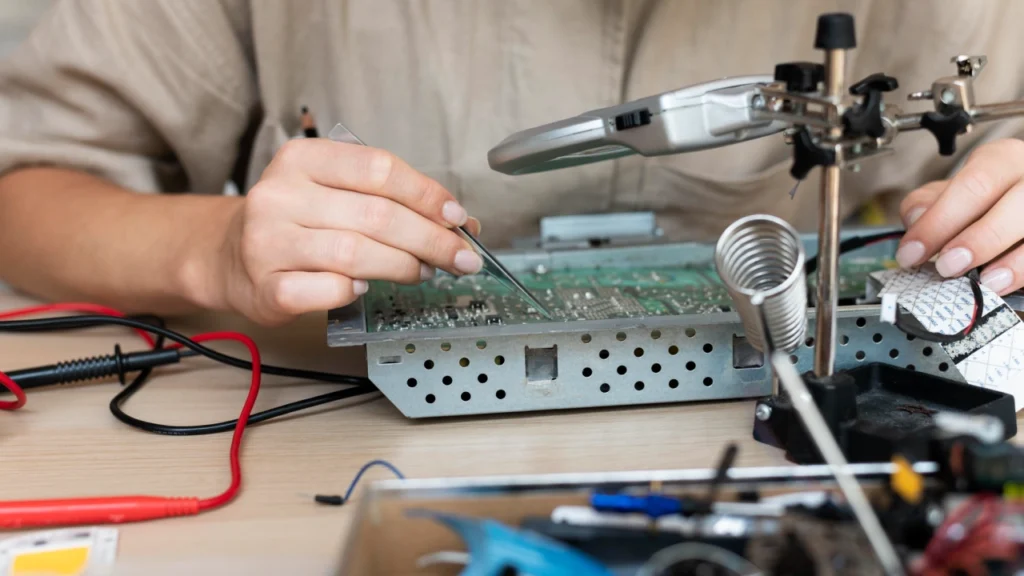
In 2025, quality control in electronics and electrical fabrication has become more critical than ever. With the increasing complexity of electronic components, high-tech manufacturing processes, and the growing demand for precision, ensuring the highest quality standards is essential for reliability, safety, and customer satisfaction. This blog explores the pivotal role of quality control in electronics and electrical fabrication and how it is shaping the future of the industry.
Understanding Quality Control in Electronics
Quality control (QC) in electronics and electrical fabrication refers to the systematic process of inspecting, testing, and verifying electronic components and assemblies to ensure they meet predefined standards. It encompasses all stages of production, from raw material sourcing to final product testing, ensuring consistency and reducing defects.
Key Objectives of Quality Control:
Ensure Reliability: Reliable products reduce malfunctions, downtime, and customer complaints.
Maintain Compliance: QC ensures adherence to industry standards such as IPC, ISO, and CE certifications.
Enhance Efficiency: By identifying defects early, QC reduces waste and production delays.
Customer Satisfaction: Delivering high-quality products builds trust and long-term business relationships.
Critical Stages of Quality Control in Electrical Fabrication
Quality control is integrated at every stage of electronics fabrication to maintain precision and minimize errors.
1. Incoming Material Inspection
Before production begins, all raw materials and electronic components undergo inspection. This includes verifying:
Component specifications
Certifications and compliance documents
Physical and electrical properties
Benefit: Prevents defective or substandard materials from entering the production line.
2. In-Process Quality Checks
During fabrication, continuous quality checks are performed on:
Printed circuit boards (PCBs)
Soldering and assembly processes
Component placement accuracy
Techniques Used: Automated Optical Inspection (AOI), X-ray inspection, and in-line testing equipment.
Benefit: Detects defects early, reducing rework costs and production delays.
3. Final Product Testing
Once the electronic product is fully assembled, it undergoes rigorous testing such as:
Functional testing to ensure the device performs as intended
Environmental testing (temperature, humidity, vibration)
Electrical safety testing
Benefit: Guarantees products meet both safety and performance standards before reaching customers.
4. Statistical Process Control (SPC)
SPC involves monitoring production processes using statistical methods to identify variations and trends.
Benefit: Enables proactive adjustments to prevent defects and maintain consistent product quality.
Advanced Quality Control Techniques in 2025
With evolving technology, quality control methods in electronics and electrical fabrication have become highly advanced.
1. Automated Optical Inspection (AOI)
AOI systems use cameras and software to inspect PCBs and assembled electronics for defects such as missing components, soldering errors, or misalignments.
Advantage: High-speed, accurate, and reduces human error in inspection.
2. X-Ray Inspection
X-ray inspection allows manufacturers to check hidden solder joints, internal connections, and multilayer PCB integrity.
Advantage: Detects defects invisible to the naked eye without damaging the product.
3. Functional Testing with AI
AI-driven testing systems simulate real-world conditions to validate product performance under various scenarios.
Advantage: Ensures devices function correctly, predicts potential failures, and optimizes testing efficiency.
4. Predictive Quality Analytics
By analyzing historical production data, predictive analytics can forecast potential quality issues before they occur.
Advantage: Proactively reduces defects, improves reliability, and lowers production costs.
Benefits of Strong Quality Control in Electrical Fabrication
Implementing robust quality control processes offers multiple advantages:
Enhanced Product Reliability
Minimizes product failures, boosting reputation and reducing warranty claims.Cost Efficiency
Early detection of defects reduces rework and scrap costs.Compliance and Certification
Ensures products meet regulatory and international standards, avoiding legal issues.Customer Trust and Satisfaction
High-quality products reinforce brand credibility and foster long-term relationships.Sustainability
Minimizing defective products reduces waste and promotes environmentally responsible manufacturing.
Challenges in Implementing Quality Control
While QC is essential, manufacturers face certain challenges:
Complexity of Modern Electronics: Miniaturization and multilayer circuits make inspection more difficult.
High Production Volume: Large-scale production requires fast and accurate QC systems.
Skilled Workforce Requirement: Advanced QC techniques need trained professionals.
Integration with Legacy Systems: Older production lines may not support modern QC technologies.
Solutions:
Automation and AI reduce human error.
Continuous training programs upskill employees.
Upgrading equipment and integrating modern QC tools ensures seamless quality assurance.
The Future of Quality Control in Electronics Fabrication
As the electronics industry evolves, quality control will continue to advance:
IoT-Enabled QC: Sensors embedded in production lines can provide real-time quality monitoring.
Blockchain for Traceability: Ensures transparency and traceability of components from suppliers to finished products.
AI-Powered Predictive Maintenance: Detects potential failures in machinery, preventing defects caused by equipment malfunction.
Digital Twins in QC: Virtual replicas of production lines allow simulation and optimization before physical implementation.
Sustainable QC Practices: Focus on minimizing waste, energy consumption, and using eco-friendly materials.
Conclusion
The role of quality control in electronics and electrical fabrication is more critical than ever in 2025. It ensures that products are reliable, compliant, and efficient while minimizing defects and production costs. By leveraging advanced QC techniques, including AI, AOI, X-ray inspection, and predictive analytics, manufacturers can deliver superior products and maintain a competitive edge in the fast-evolving electronics industry.
Investing in robust quality control systems not only improves operational efficiency but also strengthens customer trust and drives sustainable industrial growth.