
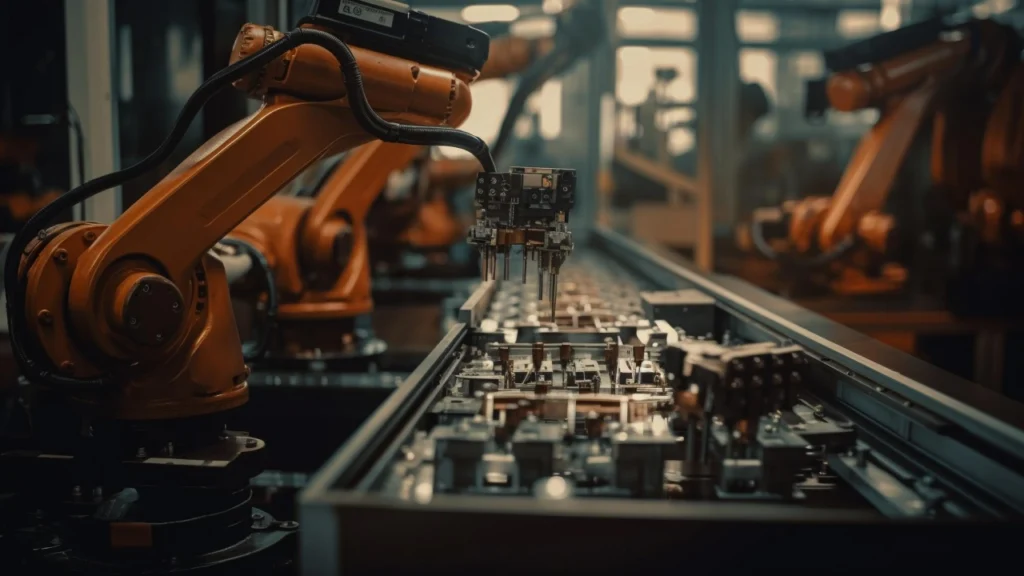
In 2025, industries across the globe are increasingly relying on precision electronics and electrical components to drive innovation, efficiency, and reliability. These components are at the heart of modern industrial systems, ensuring seamless operations, reducing downtime, and enabling smarter manufacturing processes. In this blog, we explore how precision electronics are shaping the future of industries and why their role is indispensable.
The Role of Precision Electronics in Modern Industries
Precision electronics refers to high-quality, accurate, and reliable electronic components designed to perform complex functions with minimal errors. These components are essential in applications ranging from automation systems to communication networks, medical devices, and industrial machinery.
Key Benefits:
Enhanced Accuracy: Components such as sensors, resistors, and microcontrollers allow machines to operate with remarkable precision.
Operational Efficiency: Automated systems powered by precise electronics reduce human error and optimize production cycles.
Reliability: High-quality electrical components ensure long-term stability, reducing maintenance costs and downtime.
Electrical Components Driving Industrial Innovation
Electrical components are the building blocks of every industrial system. From power management to signal processing, they ensure that machines and devices perform reliably and efficiently.
Types of Electrical Components Used in Industries:
Microcontrollers and Processors:
They serve as the brain of automated systems, enabling complex calculations, decision-making, and real-time control of machinery.Sensors and Actuators:
Sensors detect changes in temperature, pressure, or position, while actuators respond by performing mechanical actions. These components ensure accurate and automated responses.Power Supplies and Regulators:
Stable and reliable power is critical for industrial operations. Power supply units and voltage regulators maintain consistent energy flow to sensitive electronics.Connectors and Wiring Solutions:
Precision connectors and high-quality cabling ensure secure electrical connections, minimizing energy loss and operational risks.Circuit Protection Devices:
Fuses, circuit breakers, and surge protectors safeguard industrial systems from voltage spikes and electrical faults.
Precision Electronics in Industrial Automation
Industrial automation is one of the biggest beneficiaries of precision electronics. Modern factories increasingly rely on automated production lines, robotics, and IoT-enabled systems to improve productivity and reduce operational costs.
How Precision Electronics Enhance Automation:
Real-Time Monitoring: Sensors collect data on machine performance and product quality, enabling immediate adjustments.
Predictive Maintenance: AI-driven systems analyze data from electronic components to predict potential failures and schedule timely maintenance.
Process Optimization: Accurate electronic controls allow production lines to run at optimal speeds while maintaining quality standards.
Empowering Sustainability Through Electrical Innovation
Industries today are not just focused on efficiency—they are also aiming to minimize environmental impact. Precision electronics and advanced electrical components play a key role in promoting sustainability.
Applications for Sustainability:
Energy Efficiency: Advanced power management systems reduce energy consumption without compromising performance.
Waste Reduction: Automated systems minimize material wastage by ensuring precise manufacturing operations.
Integration with Renewable Energy: Electrical components enable smooth integration of solar, wind, and other renewable energy sources in industrial facilities.
The Impact on Healthcare, Automotive, and Aerospace Industries
Precision electronics are critical in high-stakes industries where accuracy and reliability are paramount.
Healthcare: Medical imaging devices, diagnostic equipment, and patient monitoring systems rely on highly precise electronic components.
Automotive: Modern vehicles use microcontrollers, sensors, and electronic control units (ECUs) to enhance safety, fuel efficiency, and performance.
Aerospace: Aircraft systems require fault-tolerant, high-reliability components to ensure safe and efficient operation under extreme conditions.
Challenges and Solutions in Implementing Precision Electronics
While precision electronics offer significant advantages, industries face certain challenges when adopting these technologies.
Common Challenges:
High Initial Costs: Premium components can be expensive to procure.
Integration Complexity: Merging new electronic systems with legacy machinery can be challenging.
Skill Gap: Skilled personnel are required to install, monitor, and maintain sophisticated electronic systems.
Solutions:
Modular Designs: Using modular components simplifies integration and reduces upfront costs.
Training Programs: Upskilling employees ensures smooth adoption of new technologies.
Collaborative Partnerships: Partnering with reliable component manufacturers ensures access to high-quality products and technical support.
Future Trends in Precision Electronics and Electrical Components
The future of industries powered by precision electronics is bright. Emerging technologies and evolving industrial demands are driving innovation at an unprecedented pace.
Key Trends to Watch:
AI-Enhanced Electronics: AI integration will improve predictive maintenance and automated decision-making.
5G Connectivity: High-speed, low-latency communication will enable smarter factories and real-time remote monitoring.
Miniaturization: Smaller yet more powerful components will allow compact, energy-efficient industrial solutions.
IoT and Smart Sensors: Increasing connectivity of industrial devices will provide enhanced data insights and operational control.
Sustainable Manufacturing: Electronics designed for energy efficiency and recyclability will become standard.
Conclusion
Empowering industries with precision electronics and electrical components is no longer optional—it is essential for staying competitive in 2025 and beyond. From enhancing efficiency and automation to promoting sustainability and innovation, these components are the backbone of modern industrial success. Companies investing in high-quality electronics today will lead the charge into a smarter, safer, and more connected industrial future.